
AJAX, jQuery & how to bypass the same-origin policy
 Today’s post is intended to give a brief introduction to the topic of AJAX with jQuery, as well as to cover the topic of cross domain (policy) and to show how you can use small tricks to send AJAX requests across multiple domains. Before we start, however, we will give you a quick introduction to the topic. If you are already familiar with the topic and are only interested in the AJAX cross-domain workaround, you can safely skip the first part of the article.
What is AJAX and how does it work in jQuery?
AJAX is an abbreviation and stands for “Asynchronous JavaScript And XML”. Contrary to the opinion of some people on the Internet, it is not a programming language, but rather a pattern, i.e. a way of programming something. By means of AJAX web content can […]
 In this article we want to deal with the topic of steganography and implement a small example in PHP. Because PHP is not “only” used to create web pages or to implement forms, as any experienced PHP programmer of larger web agencies will surely confirm.
 Anyone who develops software and especially if he/she does so in the web environment, has certainly already written one or the other login system or at least had points of contact in this area. Besides the logic of a secure login or user management system, the secure storage of passwords is one of the most important points during implementation.
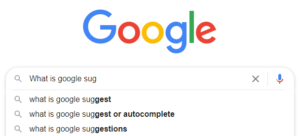 Regular users of my blog should already be familiar with “Google Suggest”. Those can skip ahead to the section “Wildcard operator in Google Suggest”, for all others here is the quick start. Google Suggest is the name of the Google functionality that is responsible for suggesting possible search queries while you are typing your search query. For example, if you type “What are the most popular”, Google will suggest “What are the most popular sports in Australia”. The suggestions, in turn, are based on the one hand on the user’s own Google search profile and on the other hand on the most frequent search queries currently sent to Google by other users.