
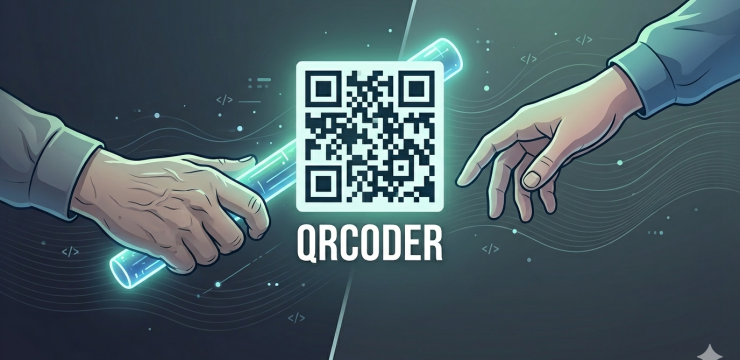
Personal note: Passing the Torch on the Open-Source Project QRCoder
Anyone who has searched this blog in recent years for solutions to generate QR codes in .NET will inevitably have come across my project, QRCoder. I launched the library in October 2013, not primarily because I lacked other tools at the time, but as a personal programming challenge: My goal was to implement the official DIN/ISO standard for QR codes natively in C# from scratch myself. To understand the algorithms, to learn something new.
Over the years, this experiment has grown into a very successful open-source project that has now been downloaded millions of times via NuGet and is used in numerous commercial and private projects worldwide.
After 12 years, I decided in September 2025 to hand over the active maintenance and administrative management of the project. In this brief post, I would like to explain the background behind this decision and introduce the new maintainer.
The Reasons for the Transition
Maintaining […]
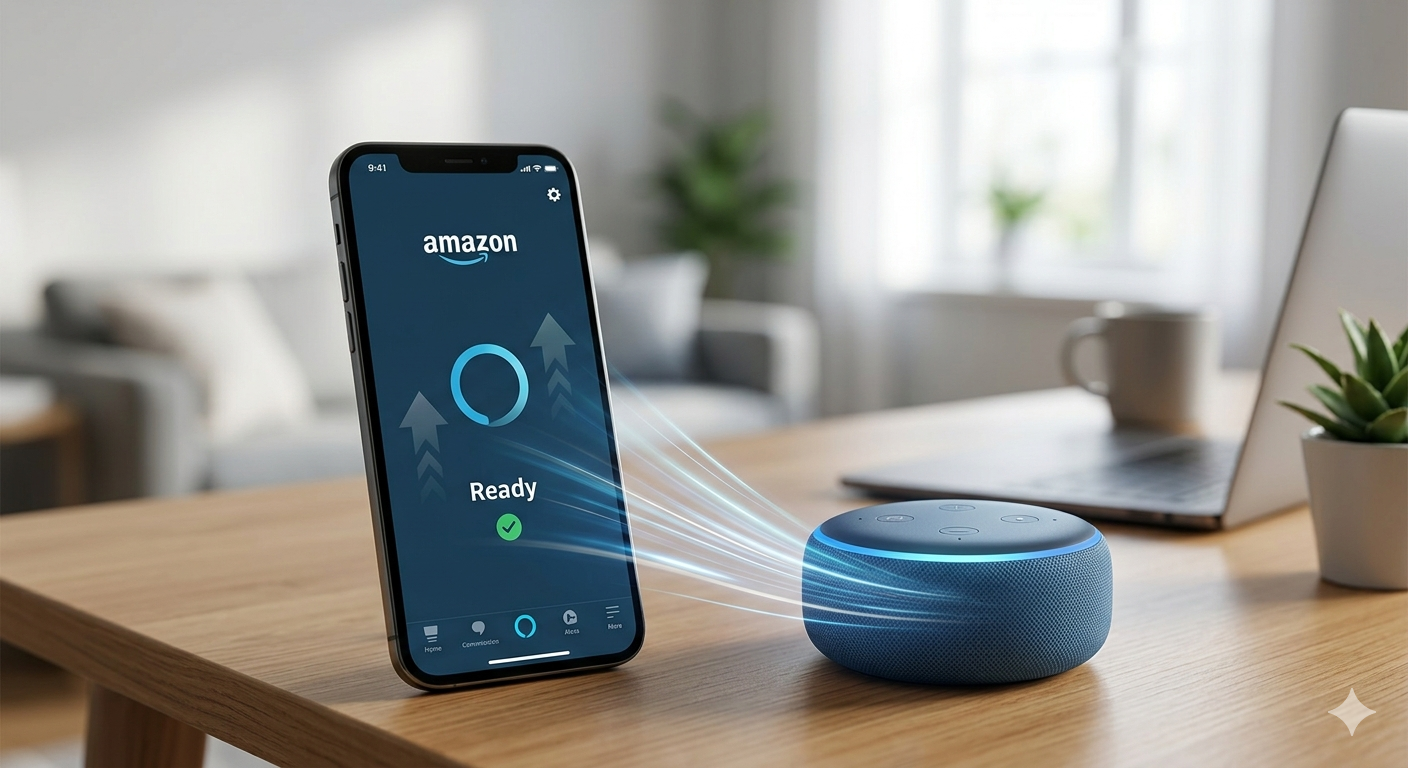 You know how it is: you open the Alexa app on your Android smartphone, click through the menus—and every “click” feels like it’s in slow motion. Whether you’re controlling smart home devices or looking for a simple setting, instead of a quick response, using the app becomes a test of patience.
 Today’s post is intended to give a brief introduction to the topic of AJAX with jQuery, as well as to cover the topic of cross domain (policy) and to show how you can use small tricks to send AJAX requests across multiple domains. Before we start, however, we will give you a quick introduction to the topic. If you are already familiar with the topic and are only interested in the AJAX cross-domain workaround, you can safely skip the first part of the article.